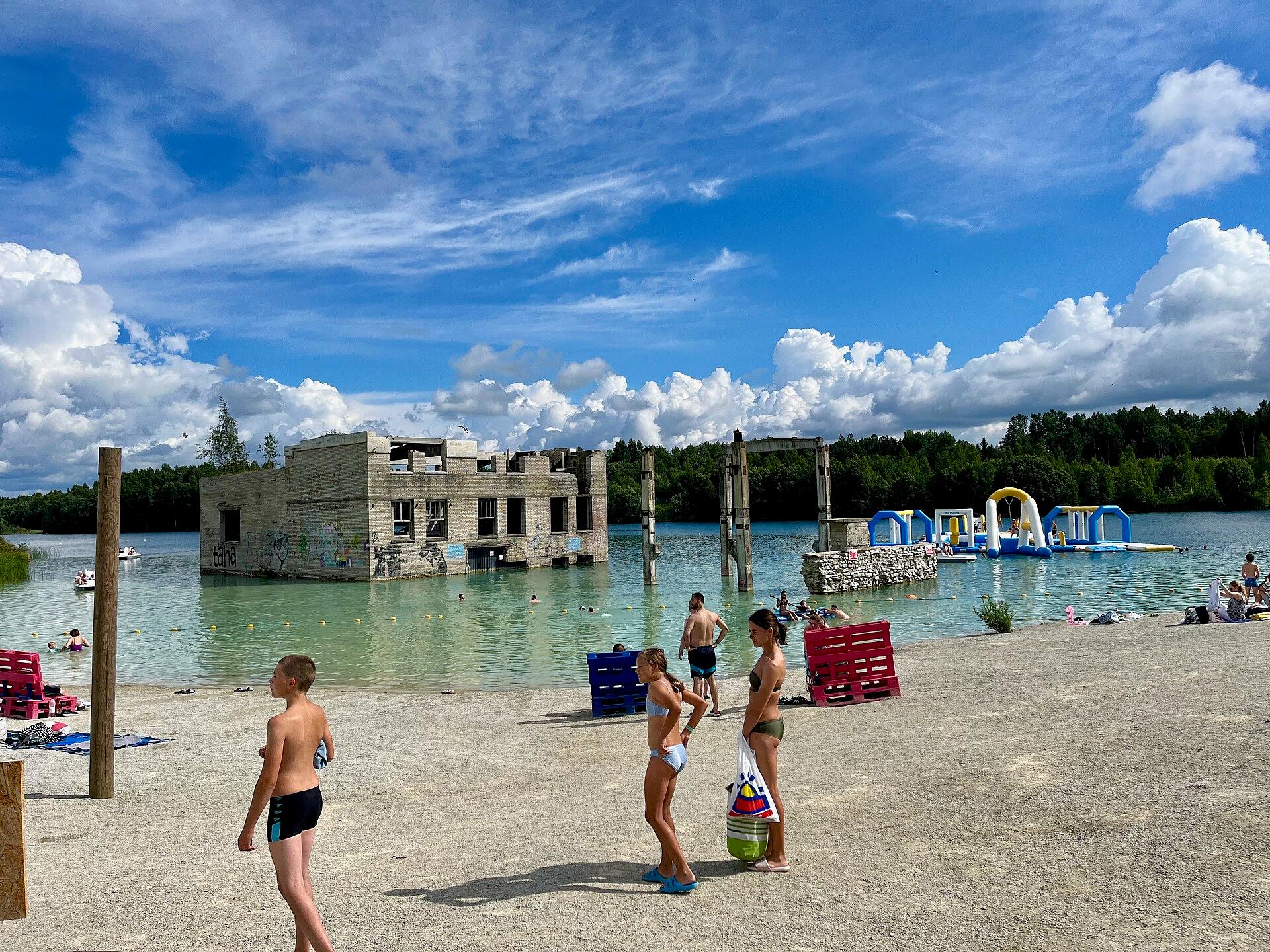
Quarries, mines and ash hills you can visit in Estonia
A century of oil shale and limestone mining has left Estonia with flooded quarries, underground tunnels and man-made hills. These guides tell you what to see, how to get there and what to know before you go.
Photo: Juppiter9, CC BY-SA 4.0, Wikimedia Commons

Guides
Where to see Estonia's mining history
Most of these sites are in northern Estonia – Rummu is under an hour from Tallinn, while Kohtla, Kiviõli and Aidu are in Ida-Viru County on the way to Narva.
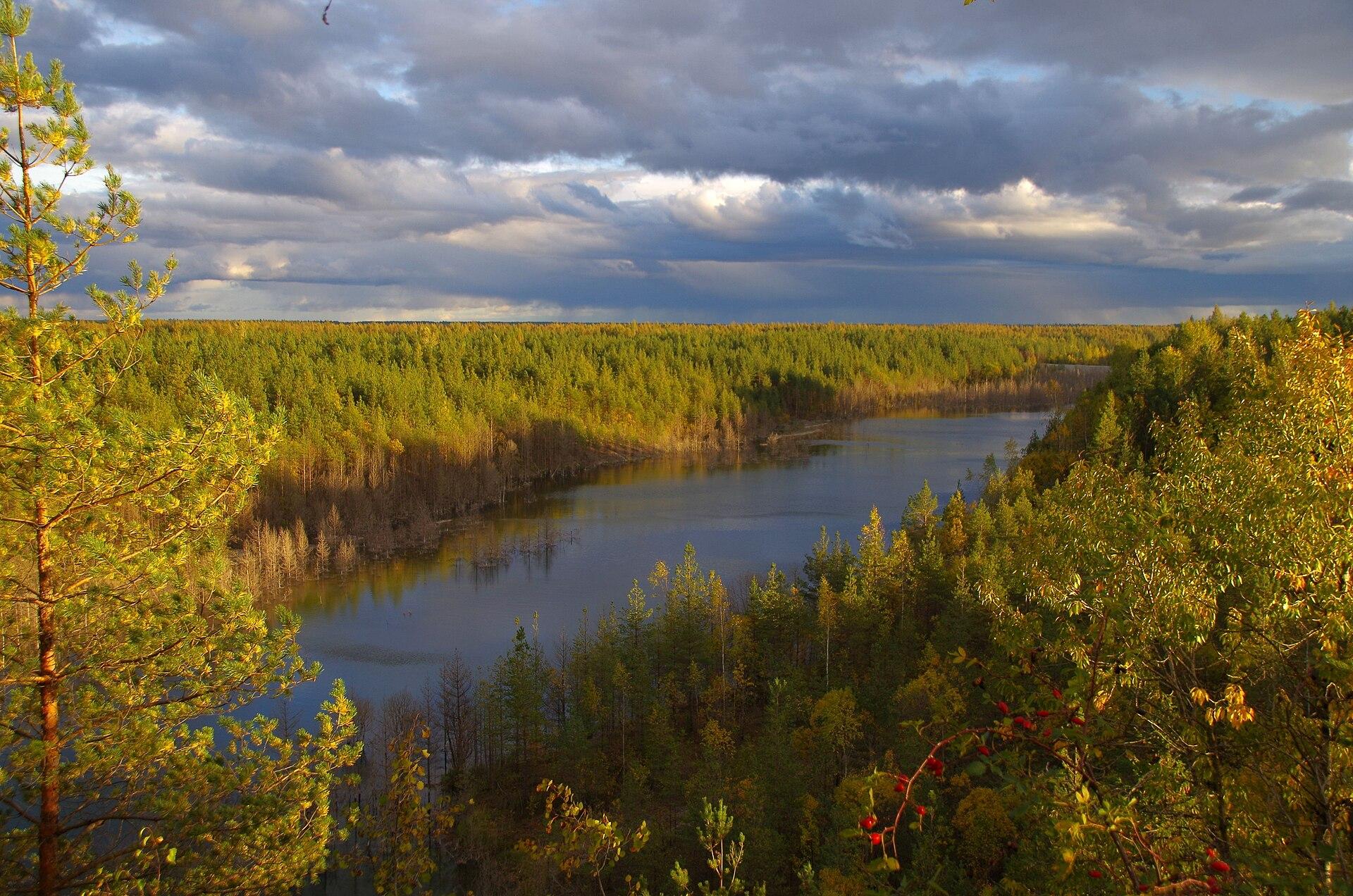
Aidu, a former oil shale quarry in Ida-Virumaa: rowing canal, water adventure centre, RMK hiking trail with raft crossings, wind farm and safety tips.
Read the guide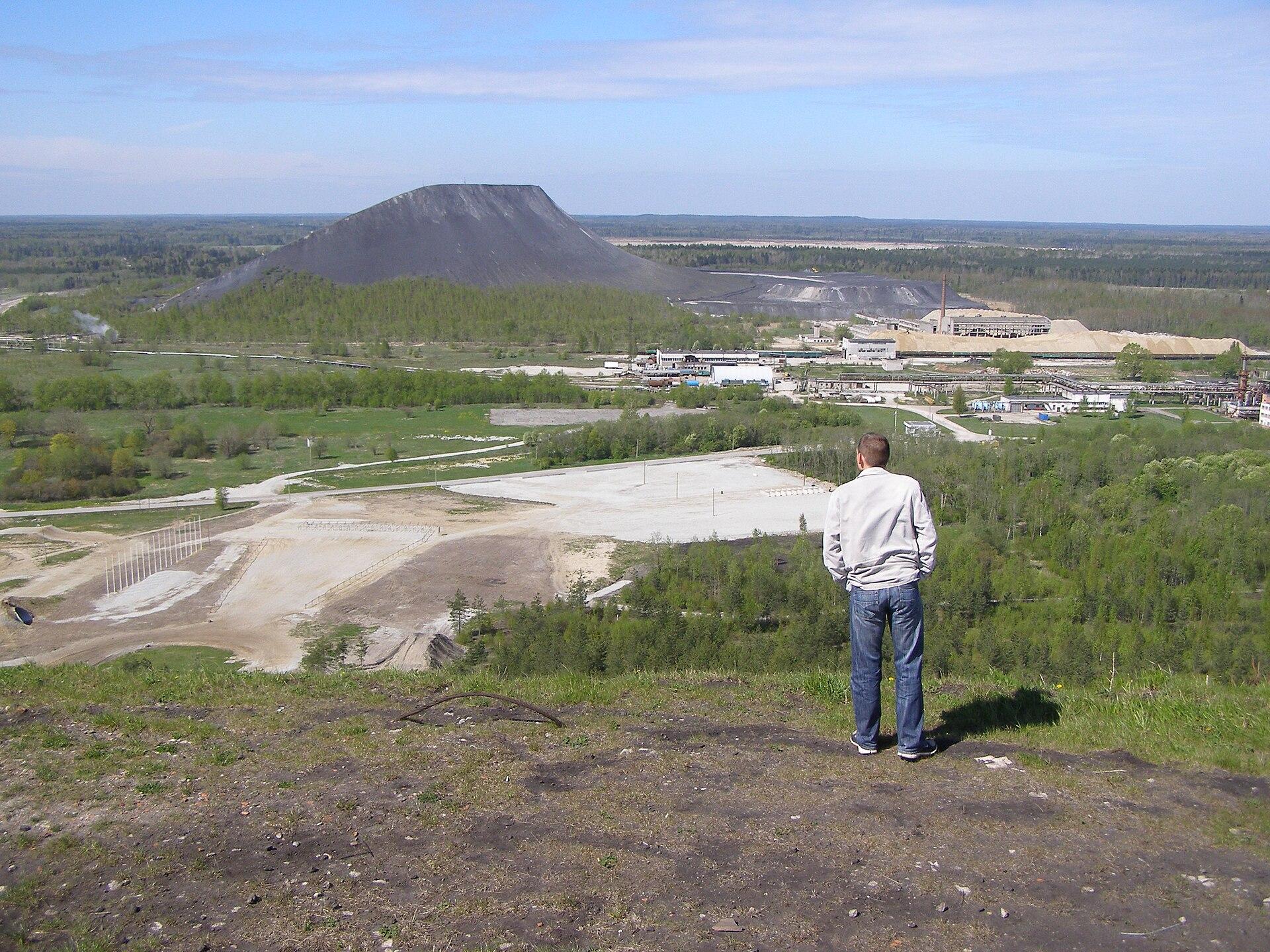
Kiviõli Adventure Centre: Visitor Guide
Kiviõli Adventure Centre on an oil shale ash hill: skiing in winter, a 600 m zip line, bike park and family rides in summer, plus how to get there.
Read the guide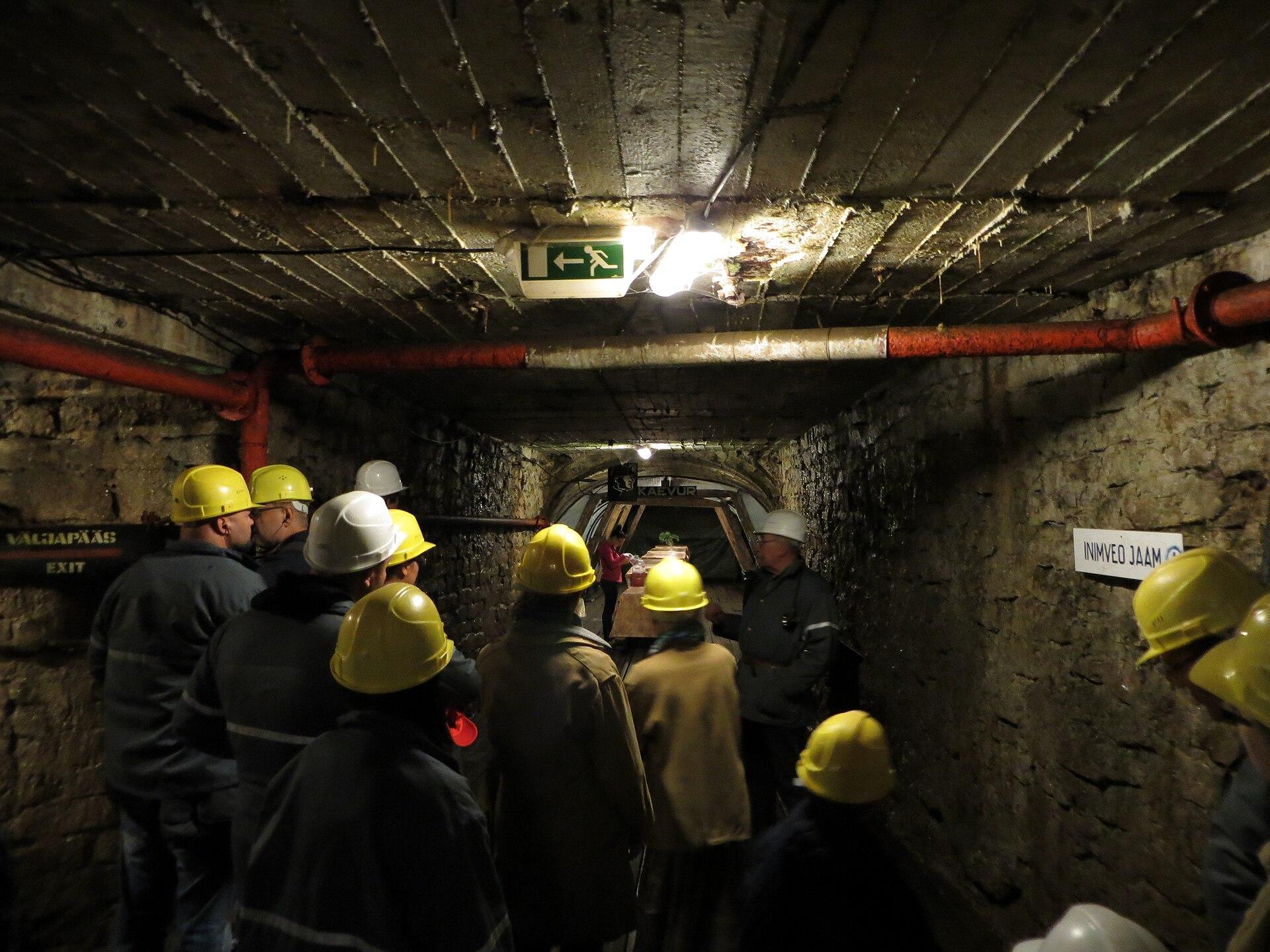
Kohtla Mining Museum: Visitor Guide
Kohtla mining park-museum in Kohtla-Nõmme, now the Estonian Mining Museum: underground tours, mine train, history and how to get there.
Read the guideRummu Quarry: Visitor Guide
Rummu Quarry near Tallinn: the flooded limestone quarry and Murru prison, swimming and diving, tickets, current rules and how to get there.
Read the guideBackground
Why Estonia has so many quarries
Estonia sits on thick layers of limestone and on one of the world's most studied oil shale deposits, known as kukersite. Oil shale has been mined in north-east Estonia since 1916 to make electricity and shale oil, and limestone quarries supply building stone and gravel. Many former mining areas have since been flooded, planted with forest or turned into places for sport and recreation.
Read more in Estonian on Kaevandus.ee.